If you're choosing a health-focused smartwatch in Thailand, treat Apple Watch, Galaxy Watch, and Pixel Watch as strong "trend trackers" rather than medical devices. They can reliably report daily patterns (heart rate, sleep, activity) when fitted well and used consistently, while advanced features like ECG and irregular rhythm alerts depend on model, region, and app eligibility.
Overview: which health metrics each watch actually reports
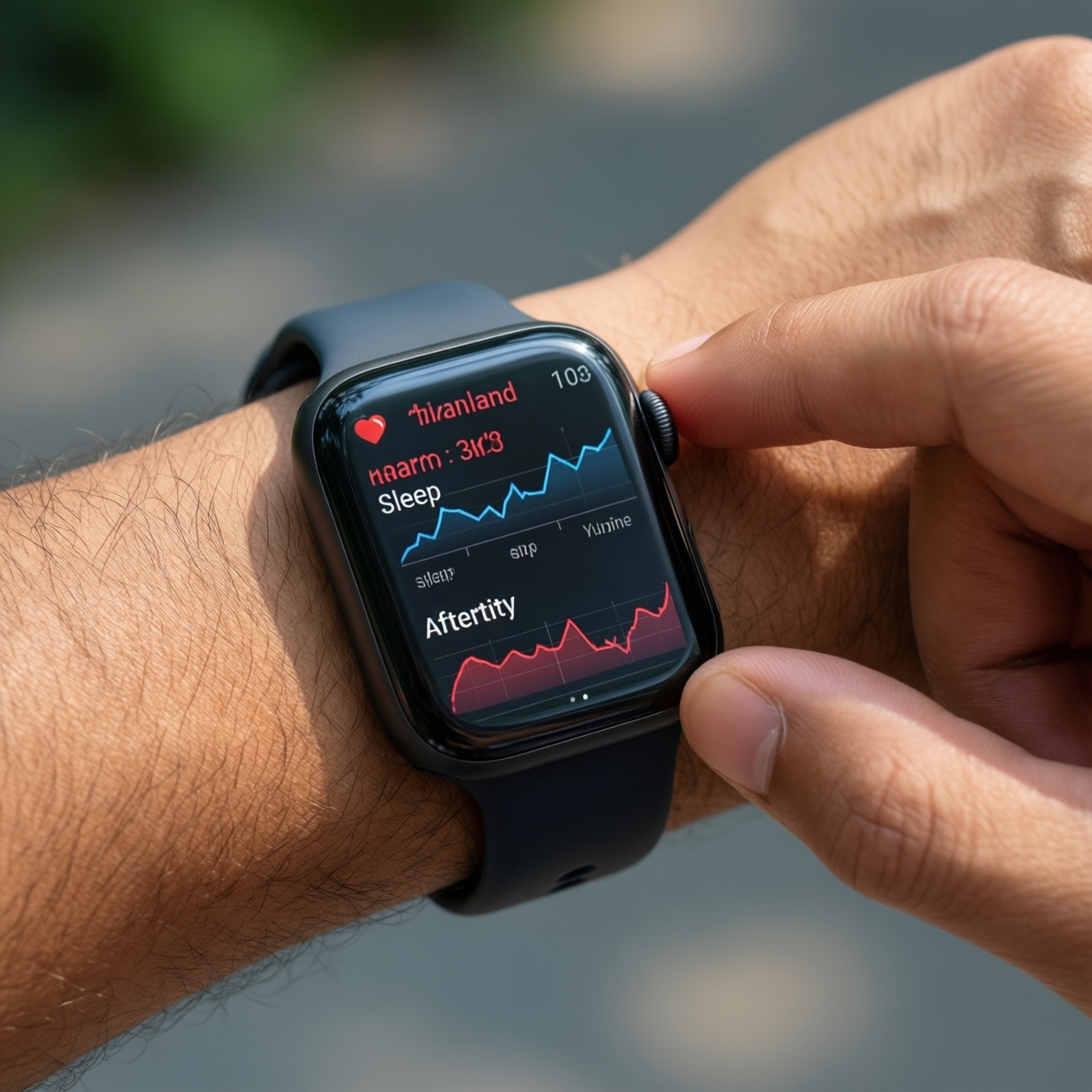
- Heart rate (24/7 + workouts): all three use optical PPG; best for trends and steady-state exercise, weaker for high-motion intervals.
- HRV (stress/recovery proxies): all three can compute HRV from PPG; values differ by algorithm, so compare within the same ecosystem.
- Blood oxygen (SpO2): available on many models, but it's sensitive to fit, motion, and skin perfusion; treat as a contextual signal, not a diagnostic.
- Respiration (sleep breathing rate): typically derived from motion + PPG patterns during sleep; accuracy varies by sleep quality and wearing style.
- ECG (single-lead) and rhythm notifications: availability depends on model/app/region; it's for screening and recording episodes, not "clearing" heart health.
- Sleep stages + naps: all offer sleep staging; nap handling and "readiness" style scoring differ the most between platforms.
Sensor hardware and how raw data is collected
- Optical heart sensor design (PPG LED/color mix): impacts signal quality across skin tones, tattoos, and during motion.
- Sampling strategy: continuous vs periodic background reads; affects trend stability and battery.
- Skin contact + strap system: case shape, lug position, and band choice often matter more than brand for workout accuracy.
- Motion sensing (accelerometer/gyroscope): crucial for filtering motion artifacts, step detection, and sleep staging.
- Ambient light sealing: poor seal introduces noise into optical readings, especially outdoors and during runs.
- On-device processing vs cloud: changes latency, privacy, and consistency when you switch phones or accounts.
- Calibration dependencies: GPS-enabled outdoor walks/runs can "teach" stride length and improve distance/pace estimates later.
- Health ecosystem access: what you can export, how HRV is displayed, and whether raw-ish data is available differs by platform.
Heart rate and HRV: measurement techniques and expected error
All three families primarily use wrist PPG for heart rate and HRV, then apply proprietary filtering. Without lab-grade references, you should assume unknown accuracy in your specific use; instead evaluate consistency, artifact handling, and whether you can validate against a chest strap during workouts.
| Variant | Who it fits | Pros | Cons | When to choose |
|---|---|---|---|---|
| Apple Watch (current models with heart + motion sensors) | iPhone users who want tight integration and consistent health logging | Strong app ecosystem; solid workout HR tracking in many common sports; good data continuity in Apple Health | HRV presentation can be confusing for newcomers; some metrics depend on specific watchOS behaviors and background permissions | Choose if you live in Apple's ecosystem and you want fewer third-party workarounds |
| Galaxy Watch (current models with Samsung Health) | Android users, especially Samsung phone owners, who want native health + fitness features | Deep Samsung Health integration; broad activity features; good on-watch coaching and daily stats | Some features vary by region/model pairing; HR/HRV comparability across brands is limited | Choose if you want Samsung Health as your hub and don't plan to switch ecosystems soon |
| Pixel Watch (Fitbit-powered health experience) | Android users who want Fitbit-style insights and simpler daily readiness concepts | Fitbit-oriented trends; clean presentation of sleep/activity; strong habit-building UX | Fitbit metrics can be paywalled or tiered by subscription in some setups; fewer "pro" sport profiles than dedicated fitness brands | Choose if you value Fitbit-style coaching and a streamlined health dashboard |
| Any of the three + chest strap (for workouts) | Interval trainers, cyclists, and anyone who needs stable HR during high motion | Best way to validate wrist HR; reduces motion artifact problems; improves training-zone confidence | Extra device to wear/charge; setup complexity; not always supported equally across apps | Choose if workout HR drives training decisions (zones, thresholds, intervals) |
| Any of the three used for trend tracking (not spot checks) | People focused on long-term changes: resting HR, sleep consistency, recovery patterns | More robust than single readings; highlights lifestyle effects (stress, alcohol, illness, training load) | Day-to-day noise; HRV varies with breathing, timing, and measurement posture | Choose if you mainly want "directionally correct" trends over weeks |
Practical validation routine (no lab required): wear the watch 1-2 finger-widths above the wrist bone, tighten for workouts, compare workout HR against a chest strap once, then judge whether the watch is consistent for your sports rather than chasing a universal accuracy claim.
Blood oxygen and respiration: what is measured vs estimated
- If you want a "check my oxygen" feature, then treat SpO2 as a context signal (altitude, illness, alcohol, sleep quality) and re-measure when warm, still, and properly tightened.
- If you see a low SpO2 reading once, then repeat at rest and look for a repeated pattern across nights/days before you worry; single readings are often fit or perfusion artifacts.
- If your priority is breathing trends in sleep, then focus on nightly consistency (same wrist, same tightness, similar bedtime) because "respiration rate" is often algorithmically inferred from PPG + motion rather than directly measured airflow.
- If you have cold hands, darker tattoos near the sensor, or frequent movement, then expect more gaps and outliers in SpO2/respiration and prioritize comfort + stable fit over brand.
- If you need medical-grade oxygen monitoring, then choose a dedicated fingertip pulse oximeter and use the watch only for baseline trends and reminders.
ECG and arrhythmia screening: capabilities, limits and regulatory notes
- Confirm eligibility first: check whether ECG and irregular rhythm notifications are available for your exact model and Thailand region settings (features can be restricted by regulatory approvals and app rollout).
- Decide your goal: do you need an on-demand ECG recording during symptoms, or just passive irregular rhythm alerts?
- Plan for a workflow: ensure you can export/share a PDF or report to a clinician; test the sharing path before you need it.
- Understand the limitation: single-lead ECG can support screening and episode capture, but it doesn't rule out heart disease and can't replace clinical diagnostics.
- Reduce false alerts: set up notifications thoughtfully, keep the watch snug, and avoid triggering readings immediately after intense exercise.
- Have a safety rule: severe symptoms (chest pain, fainting, severe shortness of breath) should bypass the watch and go straight to medical care.
Activity tracking, calorie estimates and algorithmic differences
- Buying for "calorie accuracy": calorie burn is model-based and individualized; use it to compare your own days, not as an absolute truth.
- Assuming steps equal fitness: step counts vary by arm swing, stroller/pushcart use, and commuting; use minutes in zones or training load proxies instead.
- Ignoring sport type: wrist HR is typically weaker for strength training, HIIT, and sports with gripping; plan an external HR option if it matters.
- Not calibrating GPS behaviors: poor GPS lock and phone/watch GPS switching can skew pace/distance; test your common routes.
- Overtrusting auto-detected workouts: detection can miss short sessions or misclassify; start/stop manually for cleaner logs.
- Letting bands sabotage data: loose fashion bands often cause HR dropouts; use a sport band for workouts, comfort band for sleep.
- Comparing across ecosystems: "active minutes," "readiness," and "recovery" are not standardized-avoid cross-brand score comparisons.
- Forgetting subscription implications: some coaching, history depth, or advanced insights can depend on paid tiers (common in Fitbit-oriented experiences).
Sleep tracking, stages, naps and recovery scoring compared
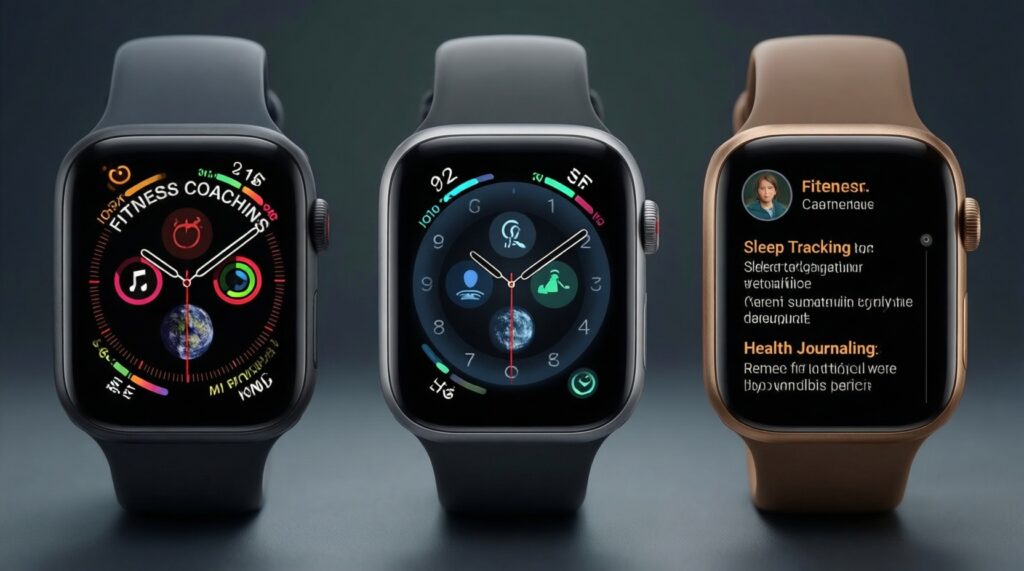
- If you want the simplest coaching loop, pick Pixel Watch if you prefer Fitbit-style guidance and a unified sleep/activity narrative.
- If you want tight iPhone health journaling, pick Apple Watch for integration with Apple Health and broad app support.
- If you want Samsung Health as the center, pick Galaxy Watch for a native Android experience, especially on Samsung phones.
- If battery is your top constraint, prioritize the model configuration and settings (AOD, GPS, background sampling) over brand expectations, then compare real-world user workflows in-store.
For sleep, all three can be useful when you optimize comfort and consistency. Apple Watch tends to suit iPhone users who want comprehensive health logging; Galaxy Watch fits Samsung-centric tracking and coaching; Pixel Watch fits those who like Fitbit-style sleep and recovery storytelling. The most "accurate" result usually comes from stable fit, consistent bedtime habits, and comparing trends within one platform.
Quick answers for common buyer scenarios
I'm in Thailand and searching Apple Watch ราคา, Galaxy Watch ราคา, Pixel Watch ราคา-how should price affect my choice?
Use price mainly to decide ecosystem commitment and model tier (GPS/LTE, newer sensor generations). Compare what features are enabled in your region and whether you'll pay for subscriptions or apps over time.
I care most about นาฬิกาอัจฉริยะ วัดสุขภาพ แม่นยำ-which one is "most accurate"?
None is universally "most accurate" for everyone because fit, motion, skin perfusion, and sport type dominate results. Choose the platform you'll wear consistently and validate workout HR once with a chest strap if accuracy matters.
Is ECG on these watches a medical test?
No-ECG on a smartwatch is a screening and episode-recording tool. It can support conversations with clinicians but cannot diagnose all conditions or replace professional evaluation.
Which watch is better for HIIT and weight training?
Any wrist watch can struggle with rapid HR changes and gripping. If those workouts drive your training decisions, pick the watch you prefer for daily use and pair it with a compatible chest strap for sessions.
Which one should I buy if I'm comparing ecosystems (เปรียบเทียบ Apple Watch กับ Galaxy Watch กับ Pixel Watch)?
Pick Apple Watch if you use iPhone, Galaxy Watch if you're invested in Samsung Health and a Samsung phone, and Pixel Watch if you want Fitbit-style insights. Avoid mixing ecosystems if you care about long-term trend continuity.
Do sleep stages and "readiness" scores match across brands?
No-sleep staging and recovery/readiness are algorithmic and not standardized. Track your own trends within one watch/app rather than comparing scores across brands.
What's the fastest way to reduce bad readings?
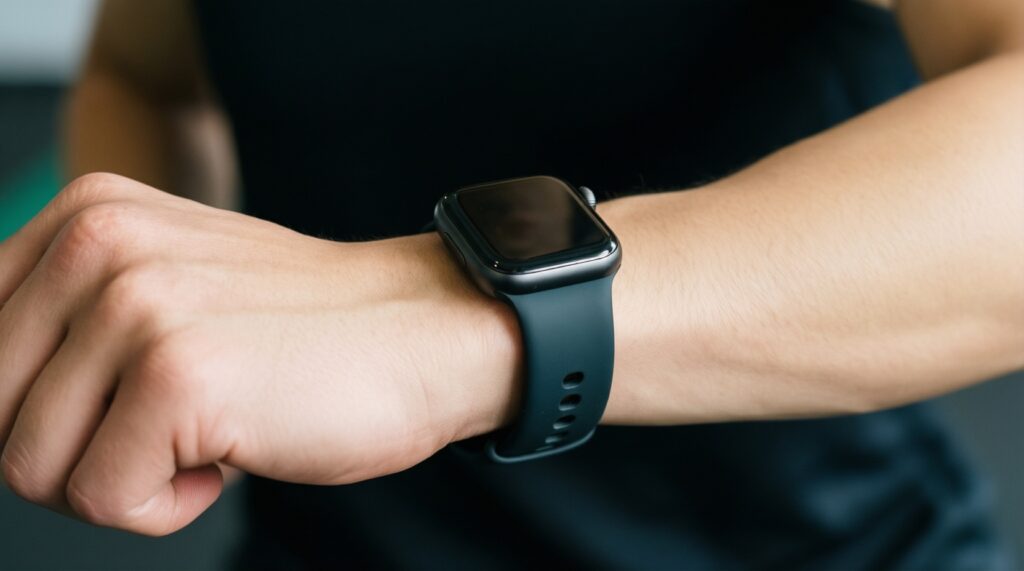
Wear the watch above the wrist bone, tighten for workouts, keep the sensor clean, and avoid tattoos directly under the sensor. Consistency beats occasional perfect readings.