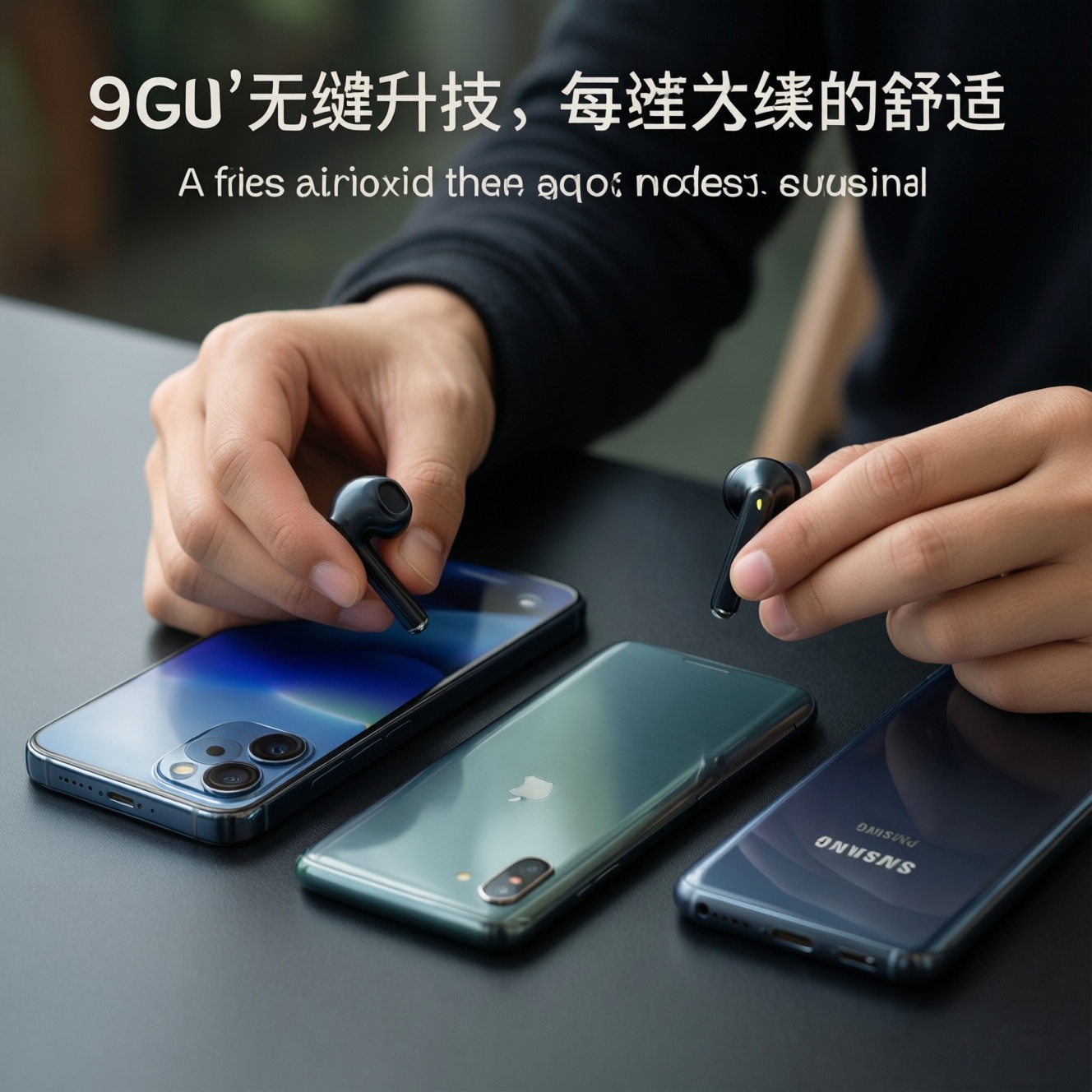
If you want the most seamless wireless experience, choose based on your phone ecosystem first, then fit and switching behavior. AirPods feel most frictionless on iPhone, Galaxy Buds typically integrate best with Samsung/Android features, and Pixel Buds are the cleanest match for Google Pixel/Assistant. The "best" is the one that stays connected and comfortable in your daily routes.
Quick Comparative Verdict for Seamless Wireless Use
- iPhone-first users: AirPods are usually the least hassle for pairing, device handoff, and call consistency; check หูฟังไร้สาย AirPods ราคา only after you confirm the model supports the controls you need.
- Samsung users: Galaxy Buds often deliver the smoothest settings access and stability inside One UI; if you're planning to ซื้อ Galaxy Buds ราคา, prioritize the model that supports your preferred switching (single-device vs multipoint).
- Pixel users: Pixel Buds tend to feel "native" with Google Assistant and Pixel features; compare Pixel Buds ราคา across models because feature gaps matter more than small sound differences.
- Mixed iPhone + Android households: pick the pair that supports the switching style you actually use (true multipoint vs fast handoff within one ecosystem), especially if you want หูฟังไร้สายเชื่อมต่อเร็วสำหรับ iPhone และ Android.
- Noise + commuting: prioritize ANC quality, wind handling, and seal stability over brand-comfort and seal decide real-world ANC more than spec sheets.
Design, Fit and Build: Comfort for Daily Wear
Use these criteria to decide quickly before you get pulled into model-to-model marketing. For a clean เปรียบเทียบ AirPods vs Galaxy Buds vs Pixel Buds, comfort and controls usually matter more than small tuning differences.
- Fit type: open-fit (less isolation, less pressure) vs in-ear with tips (better isolation/ANC, more seal sensitivity).
- Ear tip options: availability of multiple sizes and how well they lock during walking and gym use.
- Pressure relief: whether the earbuds feel "plugged" over long sessions (varies by venting and tip design).
- Case pocketability: thickness, hinge feel, and whether it one-hands easily.
- Water/sweat tolerance: practical for workouts and Thai rainy commutes; don't assume "water resistant" equals washable.
- Controls: stem squeeze vs touch surface; reliability with wet fingers and helmet straps.
- Stability without constant readjustment: the best ANC is wasted if the seal breaks every few minutes.
- Mic placement and wind sensitivity: important for BTS/platform calls and motorbike rides.
Persona verdicts: Casual listeners should prioritize comfort and simple controls; commuters should prioritize seal stability and wind-resistant mics; audiophiles should prioritize tip compatibility and long-session comfort; gamers should prioritize stable fit that doesn't trigger touch controls accidentally.
Battery, Charging Speeds and Case Practicality
Battery "feel" comes from three things: how often you top up, how predictable the case is during travel, and how fast you can recover from a low-battery surprise. If you rotate between laptop/phone/tablet, also consider whether the case fits your charging habits (wired, wireless pad, reverse wireless from phone).
| Variant | Who it suits | Pros | Cons | When to choose |
|---|---|---|---|---|
| AirPods Pro (current-generation family) | iPhone daily users; frequent calls; commuters who want strong ANC | Convenient iOS integration; typically consistent case behavior; strong "set and forget" experience | Less flexible feature parity on Android; some settings are harder to manage without Apple devices | Choose if you live in Apple devices and want minimal friction more than maximum codec flexibility |
| AirPods (non‑Pro, open-fit family) | Casual listeners; people who dislike in-ear pressure; office users | Comfort for long wear; easy on/off without tip management | Weaker isolation in noisy streets; ANC expectations should be modest compared with in-ear designs | Choose if comfort and quick wear matter more than blocking noise on commutes |
| Galaxy Buds2 Pro (or similar "Pro" Buds line) | Samsung phone owners; commuters; people who tune EQ in-app | Deep settings in Samsung ecosystem; generally strong ANC for the size; good app controls | Some premium features can be tied to Samsung devices; switching behavior varies by model/app | Choose if you want the tightest One UI integration and you'll use the Wearable app regularly |
| Galaxy Buds FE (or value-focused Buds line) | Budget-focused users; students; mixed-use (music + calls) | Good core experience; practical for everyday carry; often the best value when discounted | Premium extras (spatial modes, advanced codecs, top-tier ANC) may be reduced depending on region/model | Choose if you're optimizing "good enough + reliable" and you don't need flagship extras |
| Pixel Buds Pro (or current "Pro" Pixel Buds line) | Pixel owners; Google Assistant users; people who want simple multipoint behavior | Clean Google integration; practical controls; often strong day-to-day stability with Pixel | Feature access can feel less seamless outside Android/Pixel; availability and service support vary by market | Choose if your daily flow is Google-first (Pixel, Gmail/Meet, Assistant) and you switch between two devices |
| Pixel Buds A‑Series (or entry Pixel Buds line) | Casual listeners; Android users who want solid basics; backups | Lightweight; simple setup; usually comfortable for long listening | Typically fewer premium features (ANC, advanced transparency/spatial modes) | Choose if you want a low-maintenance pair for podcasts, calls, and occasional music |
Persona verdicts: Casual listeners should favor the case that's easiest to top up with their existing cables/pads; commuters should favor stable seal + predictable case battery; audiophiles should favor the model that supports the EQ workflow they'll actually use daily; gamers should favor the pair that avoids sudden auto-pauses and reconnect loops when the case gets low.
Connection Reliability: Bluetooth, Codecs and Multipoint
Seamless use is less about "newest Bluetooth version" and more about how each brand handles switching, reconnection, and microphone mode during calls. Decide by your switching pattern, not by spec bragging.
- If you use iPhone + Mac/iPad daily, then favor AirPods because the platform-level handoff tends to feel more automatic with fewer app steps.
- If you use Samsung phone + Samsung tablet/laptop ecosystem features, then favor Galaxy Buds because settings and device behaviors are often best exposed in Samsung's apps and menus.
- If you use Pixel phone + Google services and rely on Assistant/voice actions, then favor Pixel Buds for tighter Assistant behavior and straightforward device switching within Android.
- If you jump between Android + Windows laptop and want predictable two-device juggling, then prioritize models known for multipoint (two active connections) rather than "fast pairing" alone.
- If you spend time in crowded RF environments (BTS stations, malls), then pick the pair that stays stable at your typical phone-in-pocket position; in practice, antenna placement and fit can matter as much as codec choice.
Persona verdicts: Casual listeners should optimize for "auto-connect to the last device" with minimal menus; commuters should optimize for stable connection in pocket + quick reconnect after train doors; audiophiles should optimize for codec availability only after stability is confirmed; gamers should optimize for consistent low-latency mode availability on their phone model.
Audio Performance: EQ, ANC and Spatial Listening Modes
- Start with fit: if you can't get a stable seal (for in-ear models), stop and switch tip sizes or switch to open-fit-sound and ANC will not "EQ-fix" a broken seal.
- Pick your noise strategy: choose strong ANC if you commute; choose good transparency if you walk streets and need awareness.
- Check EQ control: confirm the app offers the kind of adjustment you'll use (simple presets vs multi-band EQ) and that it works reliably on your phone.
- Validate microphone behavior: do a short call test in wind/noise; some earbuds sound great for music but collapse on calls due to aggressive noise suppression.
- Be cautious with spatial modes: treat spatial audio as optional seasoning-prioritize tonal balance and comfort first.
- Match your library: podcasts and YouTube benefit from clear mids; bass-heavy playlists benefit from controlled low-end that doesn't mask vocals.
Persona verdicts: Casual listeners should choose the tuning that sounds good without app tweaking; commuters should choose the pair with the most comfortable long-session ANC; audiophiles should choose the pair with consistent tonality and usable EQ; gamers should choose the pair that doesn't distort or compress heavily at higher volumes.
Latency and Performance for Gaming, Calls and Video
- Assuming "all true wireless has the same latency" and then discovering rhythm games feel off; always test your main game/app before committing.
- Buying for ANC and ignoring mic mode behavior; many earbuds switch to a narrow-band, processed sound profile during calls.
- Choosing touch controls that trigger accidentally when adjusting helmet/hat, causing pauses or call drops.
- Relying on auto device switching when you actually need multipoint; these are different behaviors and feel different day to day.
- Ignoring wind handling; on Thai commutes, wind can destroy call clarity even if indoor call quality is fine.
- Using aggressive EQ boosts that cause distortion at volume; it can also worsen perceived latency in fast transients.
- Not updating firmware early; many connection/call issues are fixed only via updates, and you don't want to troubleshoot during travel.
- Expecting perfect lip-sync across every video app; some apps handle Bluetooth delay better than others.
Persona verdicts: Casual listeners should avoid fussy controls and prioritize stable media playback; commuters should prioritize mic stability in noise; audiophiles should avoid over-processing modes that harm dynamics; gamers should prioritize consistent low-latency behavior on their specific phone and game.
Ecosystem Fit: Assistant Integration, Device Handoff and Updates
Best for Apple-centric switching and "it just connects" convenience: AirPods. Best for Samsung owners who want deep settings and tight One UI integration: Galaxy Buds. Best for Pixel users and Google Assistant-first workflows: Pixel Buds. If your household mixes iPhone and Android, prioritize the model whose switching style matches your routine rather than chasing the highest-tier branding.
Common Purchase Scenarios and Troubleshooting Tips
I use iPhone and Windows laptop-what should I prioritize for seamless use?
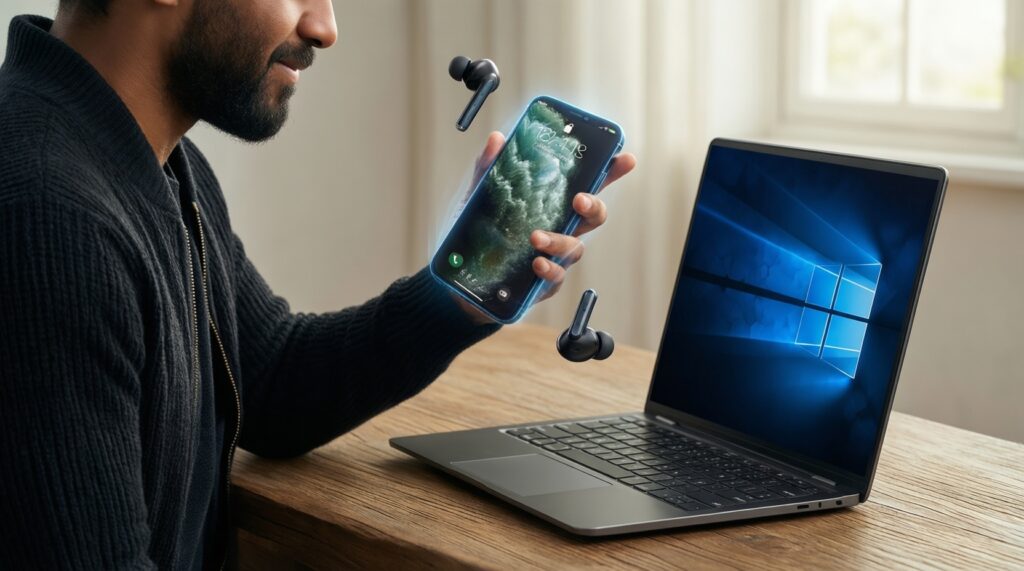
Prioritize true multipoint (two active connections) over ecosystem handoff. If you choose AirPods, expect the smoothest experience on iPhone but more manual switching on Windows.
Why do my earbuds connect to the wrong device in the morning?
Auto-reconnect usually follows "last connected" rules and sometimes prioritizes a device that wakes first (tablet/TV). Disable Bluetooth on rarely used devices or forget/re-pair in your preferred order.
My call quality is bad outdoors, but music sounds fine-what's happening?

During calls, earbuds often switch to a different mic and processing profile that is more sensitive to wind and noise. Test call performance in your real commute spots before deciding a model is "good."
Should I choose based on codec support?
Only after you confirm stable connection and comfortable fit. Codec differences are secondary if you frequently get dropouts or if the seal changes every few minutes.
What's the fastest way to fix random dropouts in crowded places?
Update firmware, then reset and re-pair. If dropouts persist, change how you carry the phone (other pocket/bag strap) and disable multipoint if it's causing renegotiation loops.
Do I need ANC for Bangkok commuting?
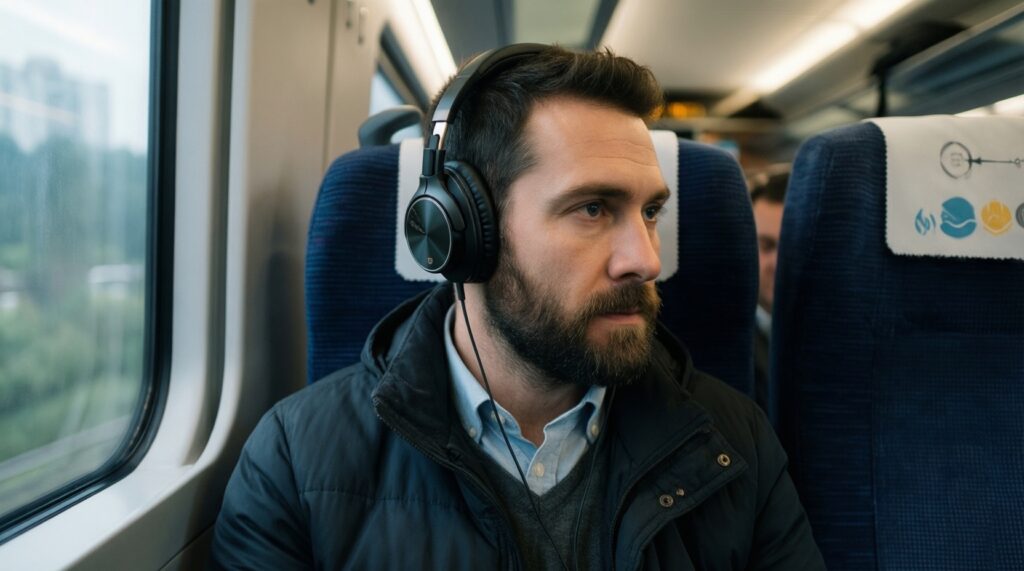
ANC helps most on continuous low-frequency noise (train/traffic), but comfort and seal decide how usable it is daily. If you dislike in-ear pressure, consider open-fit and accept less isolation.