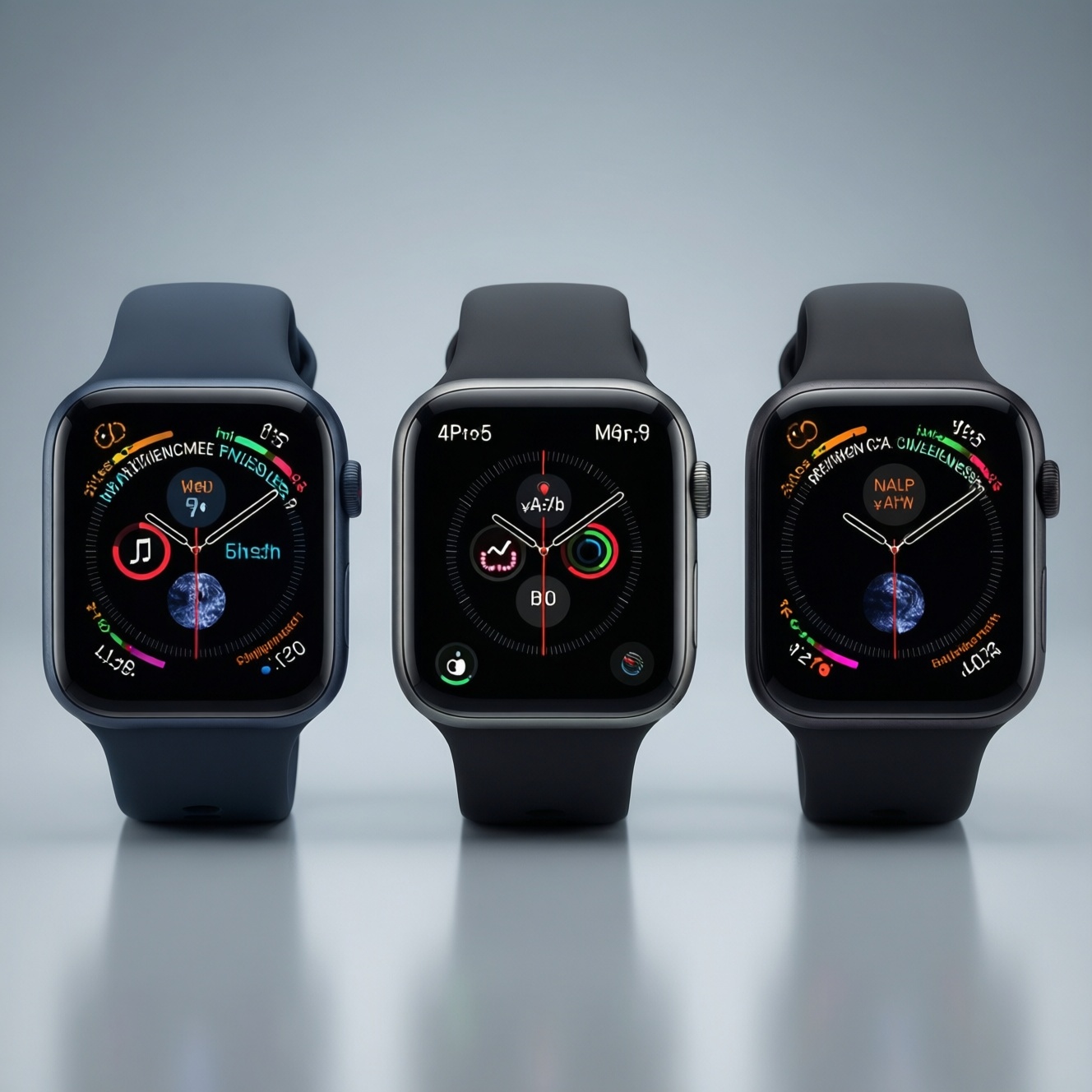
If your priority is health tracking accuracy and a smooth medical-style workflow, Apple Watch is usually the safest choice for iPhone users; Pixel Watch is best when you want Fitbit-style insights on Android; Galaxy Watch fits Samsung phones with broad wellness features. This เปรียบเทียบ Apple Watch Pixel Watch Galaxy Watch focuses on how sensors, algorithms, and UX affect real-world health data.
Accuracy summary and decision cues
- Phone ecosystem decides reliability: the best health watch is the one that integrates fully with your phone, permissions, and background sync.
- Fit matters as much as sensors: strap tension, wrist position, tattoos, and motion drive most "accuracy" complaints.
- Heart-rate tracking differs by workout type: steady-state cardio is easiest; intervals and strength training expose lag and dropouts.
- SpO2 and ECG are capability-limited: they are useful for trend/flags, not diagnoses; availability varies by region and model.
- Auto-detected workouts trade convenience for false positives: turn it on for daily walking; tune it for mixed sports.
- Battery and UX affect data quality: missed nights of sleep tracking or partial-day wear creates misleading weekly trends.
Sensor architectures and data pipelines: how each watch measures health
Use these criteria to compare health accuracy and the quality of the insights pipeline (not just the feature list):
- Optical HR sensor design: multi-LED (green/red/IR) coverage, sampling behavior during motion, and contact sensitivity.
- Signal processing under motion: how aggressively the watch filters noise during runs, HIIT, cycling, and lifting.
- Skin-contact detection: whether the watch pauses/invalidates readings when fit is poor (reduces "confidently wrong" data).
- Calibration and personalization: does it learn your HR response patterns over time and across sports profiles?
- Data pipeline depth: raw sampling → on-device filtering → workout labeling → cloud insights (Fitbit/Health/Samsung Health).
- Background permissions and sync stability: critical for long-term trends; strongest when the phone OS and watch OS match.
- Clinical-style features governance: ECG workflow, artifact handling, and result presentation (flagging vs reassurance).
- Update cadence: health algorithms improve via firmware/app updates; ecosystem maturity matters.
Practical Thailand-context note: prioritize the model variants officially sold and supported locally to minimize feature lockouts, warranty friction, and inconsistent app availability when you later ask "Pixel Watch ราคา ซื้อที่ไหน" and end up importing.
Heart-rate tracking: algorithmic approaches, lag, and error patterns
Most buyers asking for "นาฬิกาอัจฉริยะ วัดหัวใจ วัดออกซิเจนในเลือด แม่นยำ ราคา" are really sensitive to two things: (1) lag when intensity changes, and (2) dropouts when wrist motion or grip changes. Below are realistic "variants" (setups) that matter more than brand alone.
| Variant | Who it suits | Pros | Cons | When to choose |
|---|---|---|---|---|
| Apple Watch on iPhone (Workout + Health) | iPhone users who want tight app permissions and consistent background sync | Stable data handoff; strong workout UX; good handling of daily-wear HR trends | Less ideal if you live in Google/Fitbit coaching; battery may require routine charging habits | If "Apple Watch รุ่นไหนดี สำหรับสุขภาพ" is your search intent and you already use iPhone |
| Pixel Watch with Fitbit stack on Android | Android users who value coaching, readiness-style guidance, and habit loops | Fitbit-centric insights pipeline; strong trend storytelling; simple daily interpretations | Some features can depend on account/app setup; importing can complicate support | If you want Fitbit-style dashboards and your main question is "Pixel Watch ราคา ซื้อที่ไหน" from local channels |
| Galaxy Watch on Samsung phone (Samsung Health) | Samsung users who want integrated wellness + broad sports modes | Strong Samsung ecosystem integration; good sport-mode coverage; flexible health dashboards | Cross-brand Android phones can add friction; HR may show more artifacts in gripping/strength sessions | If "Galaxy Watch รุ่นไหนดี วัดสุขภาพแม่นยำ" is your main goal and you use a Samsung phone daily |
| Any watch + external chest strap (BLE) for workouts | Runners, cyclists, HIIT athletes who need minimal lag and fewer dropouts | Best approach for interval accuracy; avoids wrist-motion artifacts | Extra device and pairing; not ideal for 24/7 comfort | If you care most about training zones and intervals, regardless of brand |
| Wrist-only HR optimized for walking + daily life | People focused on steps, light cardio, and daily HR trends | Convenient; good enough for steady-state; easier long-term adherence | Can misread during strength training, rowing, or cold weather vasoconstriction | If you mostly do walking, commute activity, and occasional treadmill sessions |
Common error patterns to expect (all brands): cadence lock during runs (HR mirrors step rate), delayed spikes in HIIT, sudden drops when gripping weights/handlebars, and "flat" HR during cold conditions. Tighten the strap one notch for workouts and wear the watch slightly above the wrist bone.
SpO2, ECG and clinical-grade capabilities: limits, validations, and regulatory notes
Use these "if..., then..." scenarios to avoid buying a feature you can't use well in real life:
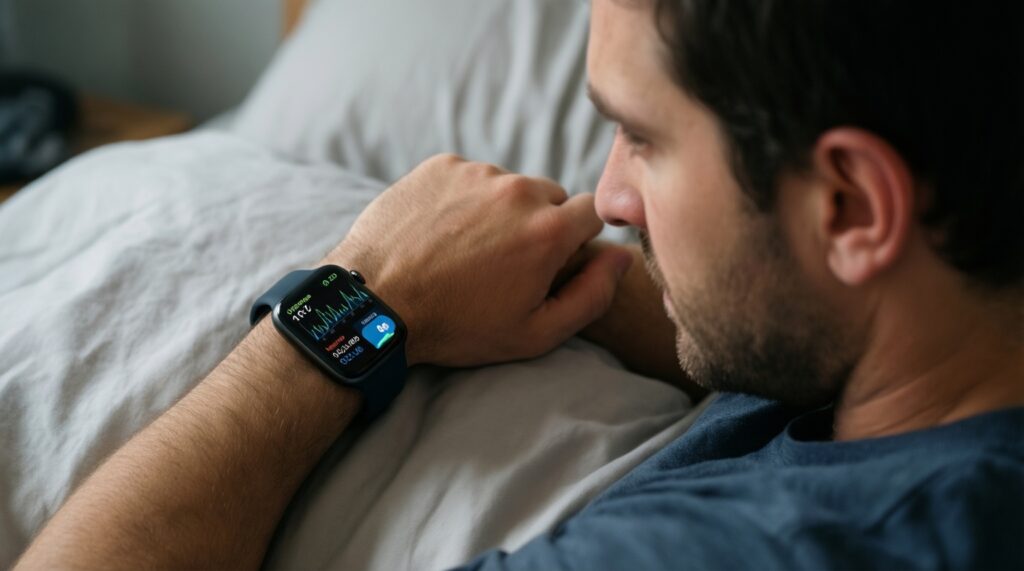
- If you want SpO2 mainly for sleep trend flags, then prioritize comfort, battery habits, and consistent nighttime wear; one missed night breaks the trend more than sensor differences.
- If you expect ECG to confirm symptoms, then choose the watch with the simplest, most repeatable capture workflow and clear artifact prompts; treat results as a prompt to consult a clinician, not a diagnosis.
- If you have frequent motion artifacts (lifting/boxing/rowing), then rely on HR zones from a chest strap for training and keep the watch for recovery, sleep, and daily load.
- If you travel or buy grey-market imports, then check whether ECG/SpO2 features are region-locked or require specific accounts/apps; this is a common pitfall in Thailand when comparing prices.
- If you want "clinical-grade" confidence, then build a repeatable measurement routine (same wrist, same strap tension, seated still), otherwise the variability will look like health changes.
Activity detection and workout classification: false positives, auto-detection, and sport modes
- List your top 3 activities (e.g., run, gym, cycling) and verify each has a dedicated mode with relevant metrics (zones, splits, cadence, GPS behavior).
- Decide how much auto-detection you can tolerate: enable it for walking; disable or tighten it if you do many short errands that trigger false workouts.
- Check indoor vs outdoor handling: treadmill and indoor cycling need stable HR and sensible pace estimation; outdoor needs reliable GPS lock behavior.
- Validate strength training support: choose the platform that makes it easy to start/stop sets and prevents HR dropouts during grips.
- Pick one coaching ecosystem (Apple Health/Google Fit+Fitbit/Samsung Health) and commit, otherwise your trends fragment and become less actionable.
- Run a 7-day calibration week: repeat the same route/workout twice to see consistency before trusting long-term conclusions.
Battery life, OS integration and user-facing health UX that affects data quality
- Buying outside your phone ecosystem (e.g., iPhone + non-Apple watch) often reduces background sync stability and feature completeness, which harms data continuity.
- Underestimating charging friction: if you charge at unpredictable times, you will miss sleep or morning resting HR, weakening trend accuracy.
- Ignoring strap comfort: discomfort leads to looser wear at night, increasing optical sensor noise and missing SpO2/sleep segments.
- Assuming all HR graphs are comparable: platforms smooth and average differently; compare consistency within one platform, not across apps.
- Turning on every metric: more background measurements can reduce battery and cause you to remove the watch more often, lowering overall data quality.
- Not configuring workout HR mode: some modes increase sampling; if you never start a workout, you may get less responsive HR during exercise.
- Over-trusting single readings: one odd SpO2/HR point is usually fit/motion; look for repeated patterns under similar conditions.
- Mixing multiple health apps: duplicate imports (Apple Health/Google Fit/Samsung Health/Fitbit) can create conflicts and confusing trend lines.
Decision tree: which watch to choose by primary health need and real-world constraints
- If your daily phone is iPhone → choose Apple Watch; then decide the specific model by comfort, battery routine, and whether you'll use ECG/SpO2 regularly.
- If your daily phone is Android and you want Fitbit-style coaching → choose Pixel Watch (official local availability preferred); confirm the Fitbit app flow matches your goals.
- If your daily phone is Samsung → choose Galaxy Watch for the smoothest integration, broader modes, and Samsung Health continuity.
- If your priority is interval HR accuracy during training → choose any of the three + add a BLE chest strap; the watch becomes your logger and recovery tracker.
- If you can't reliably wear a watch overnight → down-rank sleep/SpO2 features and prioritize daytime HR stability + comfort.
Best fit by goal: best for iPhone-first health tracking is Apple Watch; best for Android users who want a Fitbit-like insights layer is Pixel Watch; best for Samsung owners wanting integrated wellness and broad sport modes is Galaxy Watch. None is universally "most accurate" in every sport-your phone pairing, wear habits, and workout mix decide outcomes.
Common buyer clarifications and implementation notes
Is one brand always the most accurate for heart-rate?
No. Wrist HR accuracy depends heavily on sport type, motion, strap fit, and whether you start a workout mode that increases sampling.
Which matters more: ECG/SpO2 availability or day-to-day data continuity?
Continuity usually matters more for actionable trends. If battery/comfort makes you remove the watch often, advanced features won't produce usable long-term baselines.
What should I check before importing a watch in Thailand?
Confirm local app support, warranty handling, and whether health features require region-specific activation. This prevents buying a cheap unit that can't enable the features you want.
How do I reduce HR dropouts during strength training?
Wear the watch slightly above the wrist bone and tighten one notch for workouts. For best interval accuracy, pair a chest strap and let the watch record it.
Can I compare Apple Health, Fitbit, and Samsung Health numbers directly?
Not reliably. Each platform smooths, averages, and labels events differently; compare trends within one ecosystem for consistent interpretation.
Where does "Pixel Watch ราคา ซื้อที่ไหน" fit into the decision?
Buy from channels that provide official support and predictable feature availability. Saving money via grey import can cost you missing ECG/SpO2 activation or messy support.